Since our beginnings in 1991 with the DCM Group, La Boîte Rouge VIF has documented each project through carefully preserved archives, including MiniDV tapes. These archives hold memories that speak to the deep relationships built with Indigenous communities, and to the collaborative, lifelong journey of cultural transmission initiated by Élisabeth Kaine.
Here and now, we invite you to explore these memories — to meet our team and the many people we've worked with over the years, on the ground, in communities. Let’s look back at our early experiences together. Enjoy the show.
Our MiniDV tapes are one of the most precious treasures kept by La Boîte Rouge VIF. These videos document projects our organization collaborated on with the Innu of Mashteuiatsh and the North Shore, the W8banaki of Odanak, and the Guarani of Brazil.
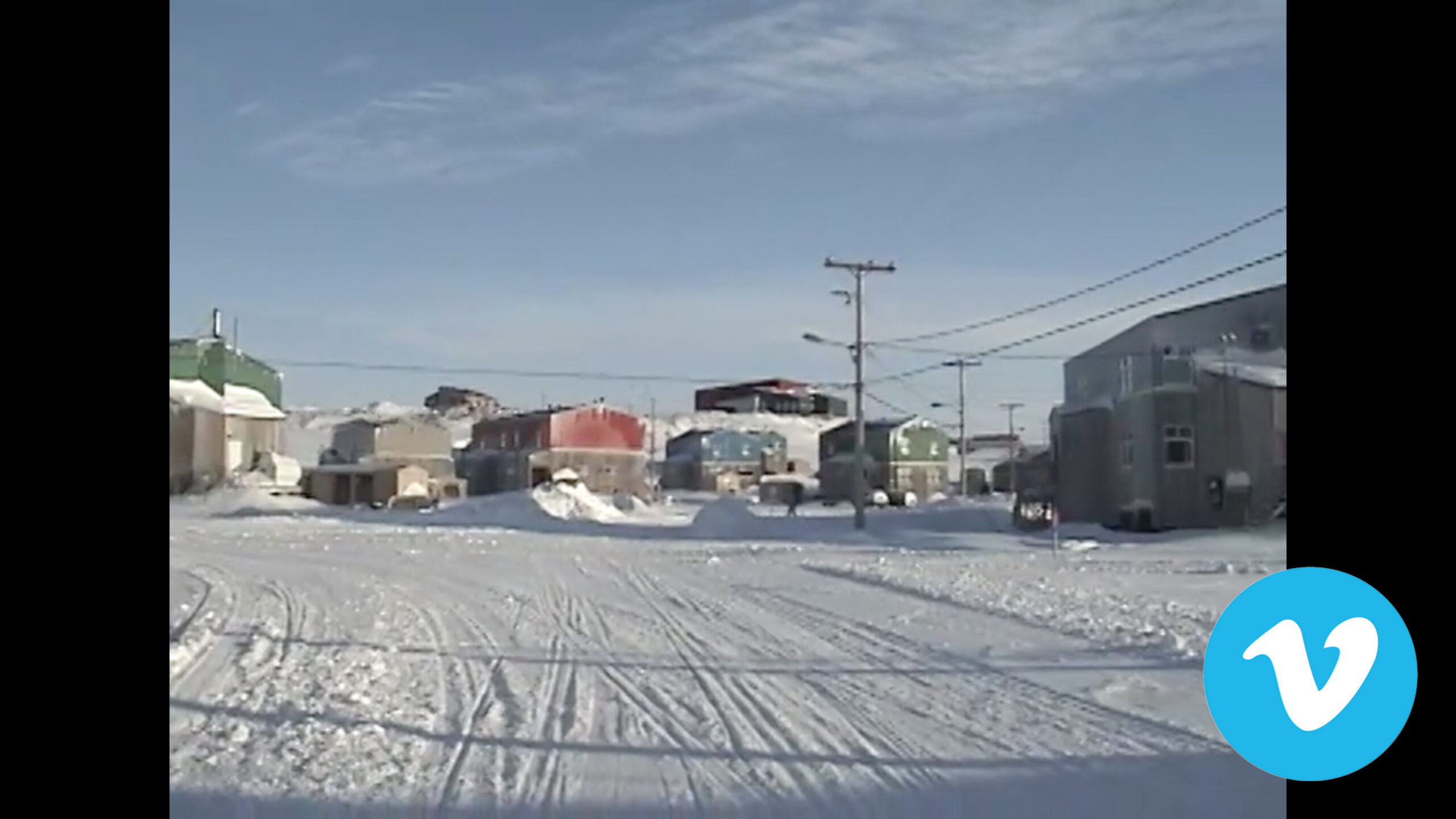
As La Boîte Rouge VIF began to take shape, we were already initiating projects in Inuit communities, whose craftsmanship had long fascinated Wendat co-founder Elisabeth Kaine. This collection presents four videos produced during a trip to Inukjuak in 2006. It features workshops organized by La BRV, images of natural and built landscapes, and the people of this land.
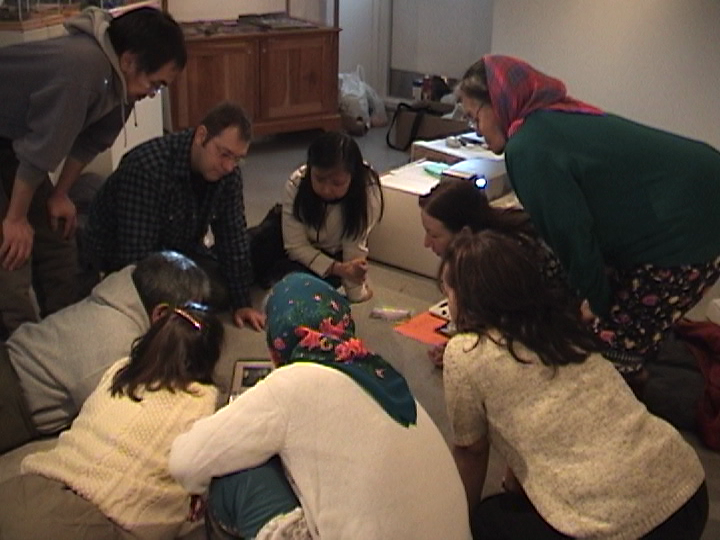
The workshops of the Design and Material Culture (DCM) project took place in three communities: Mashteuiatsh in 2004, Uashat mak Mani-Utenam in 2005, and Odanak in 2006. The project aimed to foster the exchange of skills through creative workshops. This collection of forty-three videos bears witness to the work carried out by the participants. It includes excerpts from the workshops, exhibition openings, and excursions on ancestral territories. The collection also features the final edits of the films "Ça commence comme ça" (It Starts Like This) and "La tradition en marche" (Tradition on the Move).
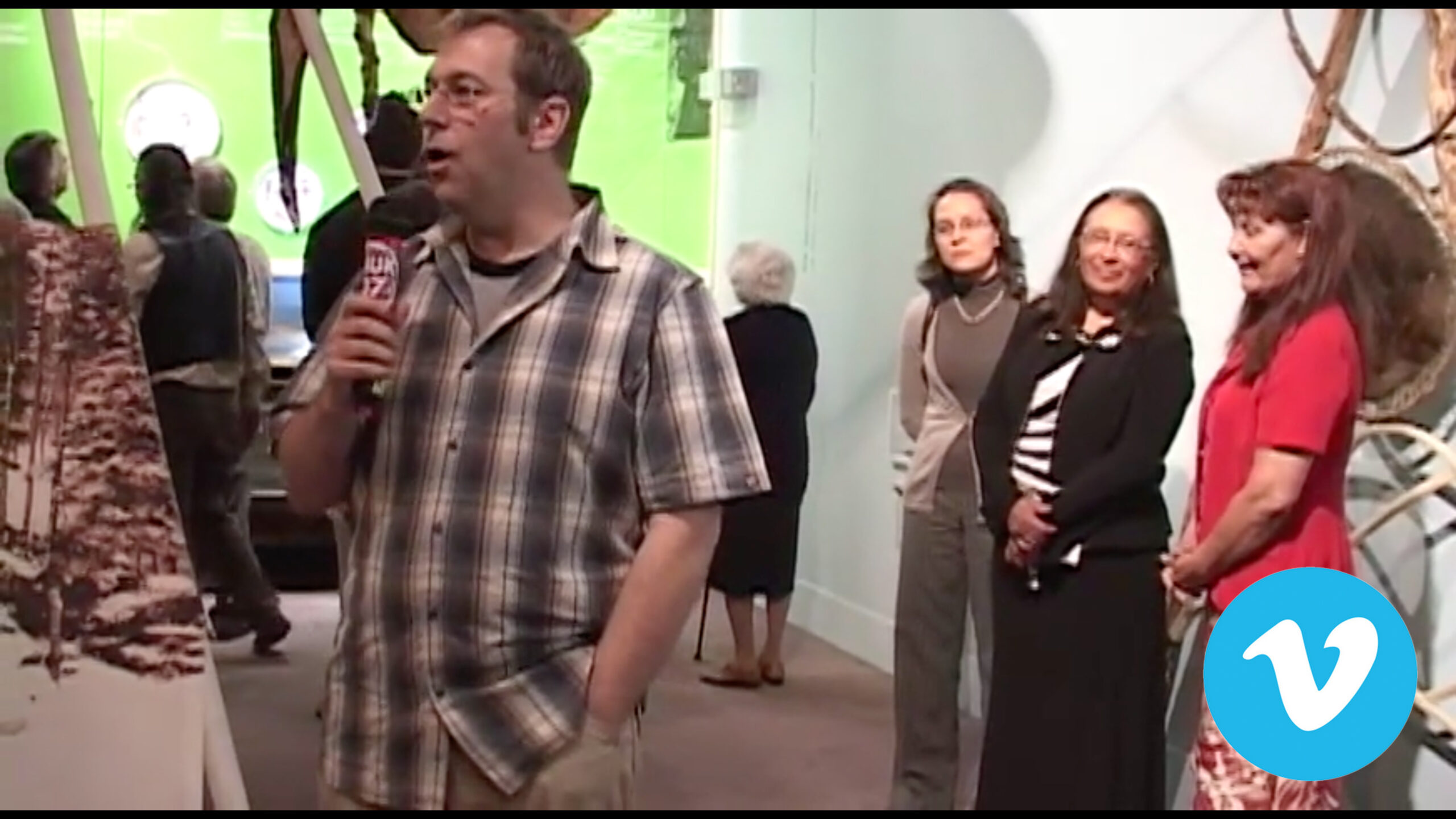
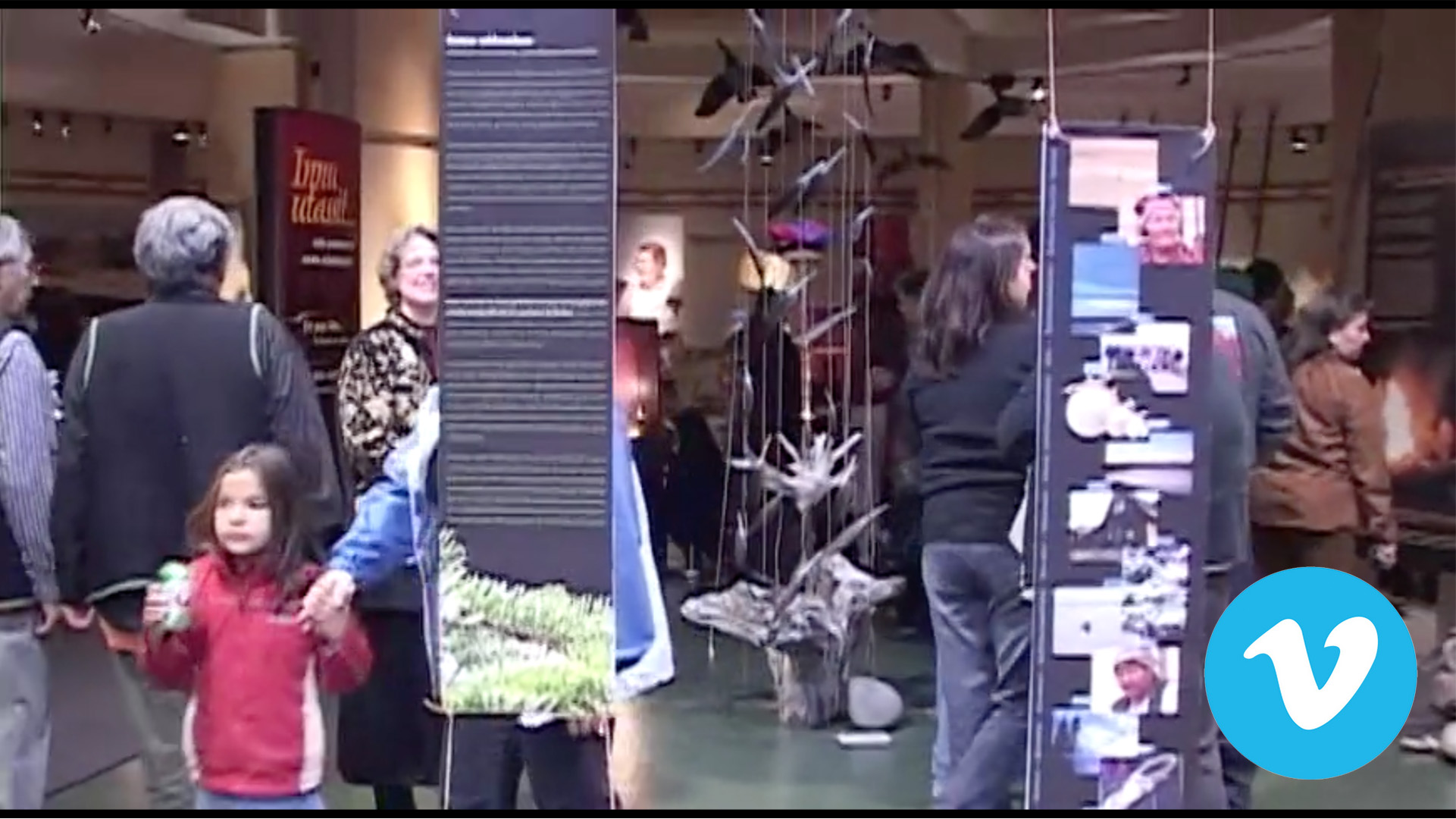
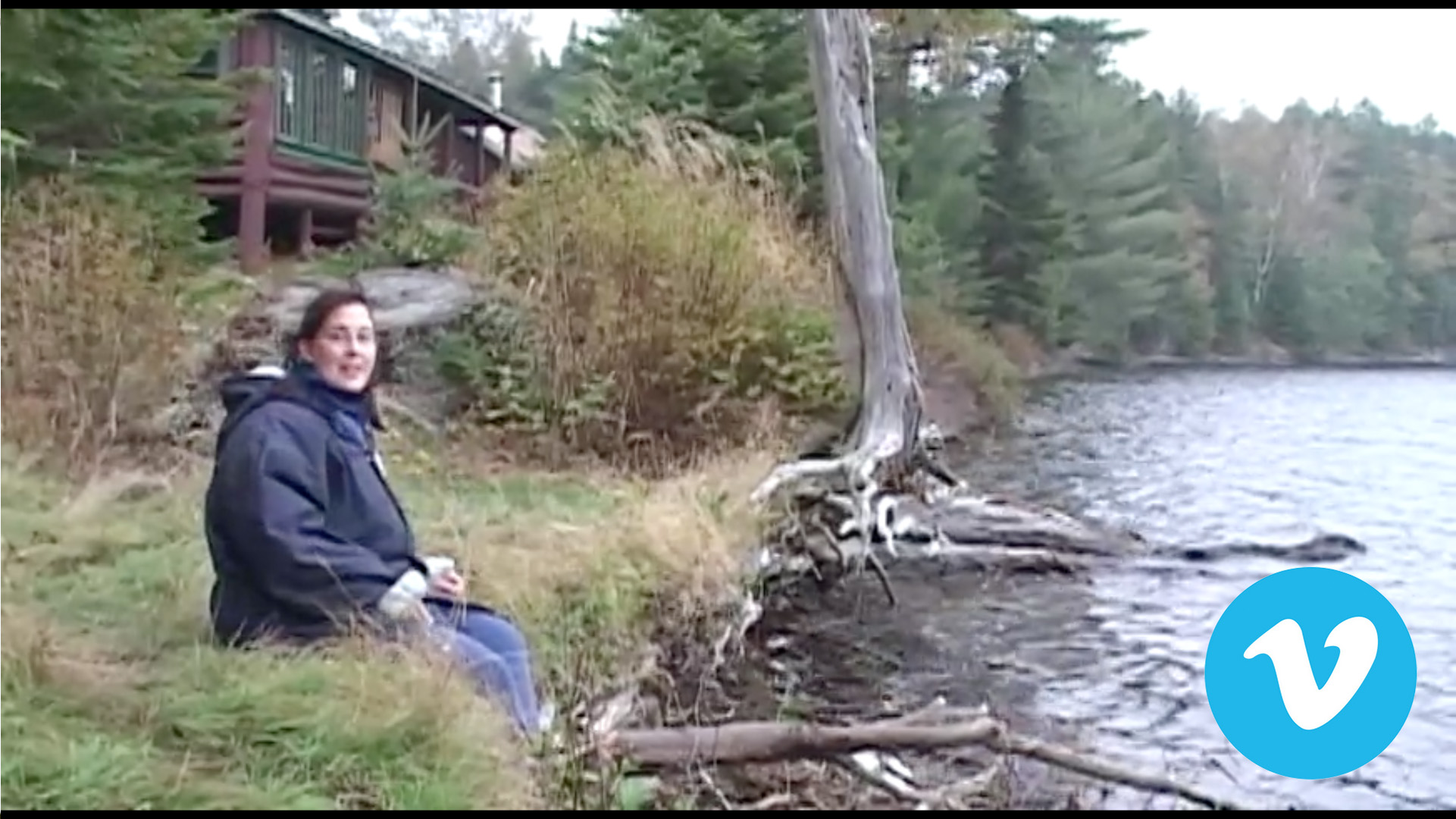
Participation in the Design and Material Culture workshops allowed artisans from different communities and Nations to meet and collaborate. Between 2005 and 2009, creative exchanges took place among artisans from Mashteuiatsh, Uashat mak Mani-Utenam, and Odanak—first around embroidery, beadwork, and braiding, then around working with bark and ash wood, and finally around moccasin-making. Each collaborative exchange concluded with exhibitions showcasing the participants, their creations, and the techniques they had learned.
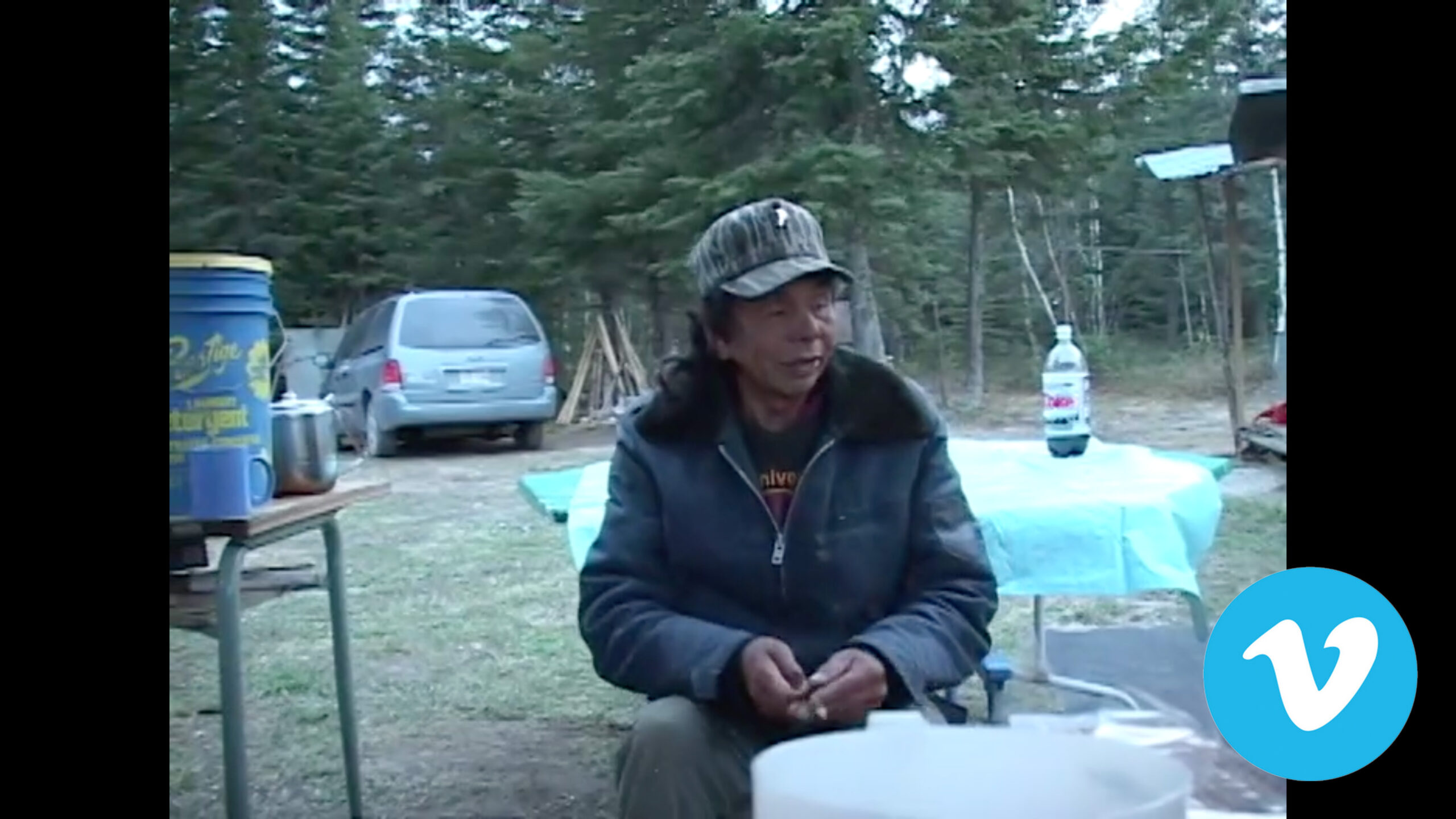
La Boîte Rouge VIF has worked mainly with communities in Quebec, but elsewhere in the world as well. Exchanges with Indigenous communities in Brazil began in the early 2000s. It was at this time that the DCM project deployed its research methodology in the South in order to validate it in other cultures. Members of La BRV visited Guarani territory. This collection contains images filmed in Araponga and Sapukai communities, as well as films made by Guaranis about contempory Indigenous realities.
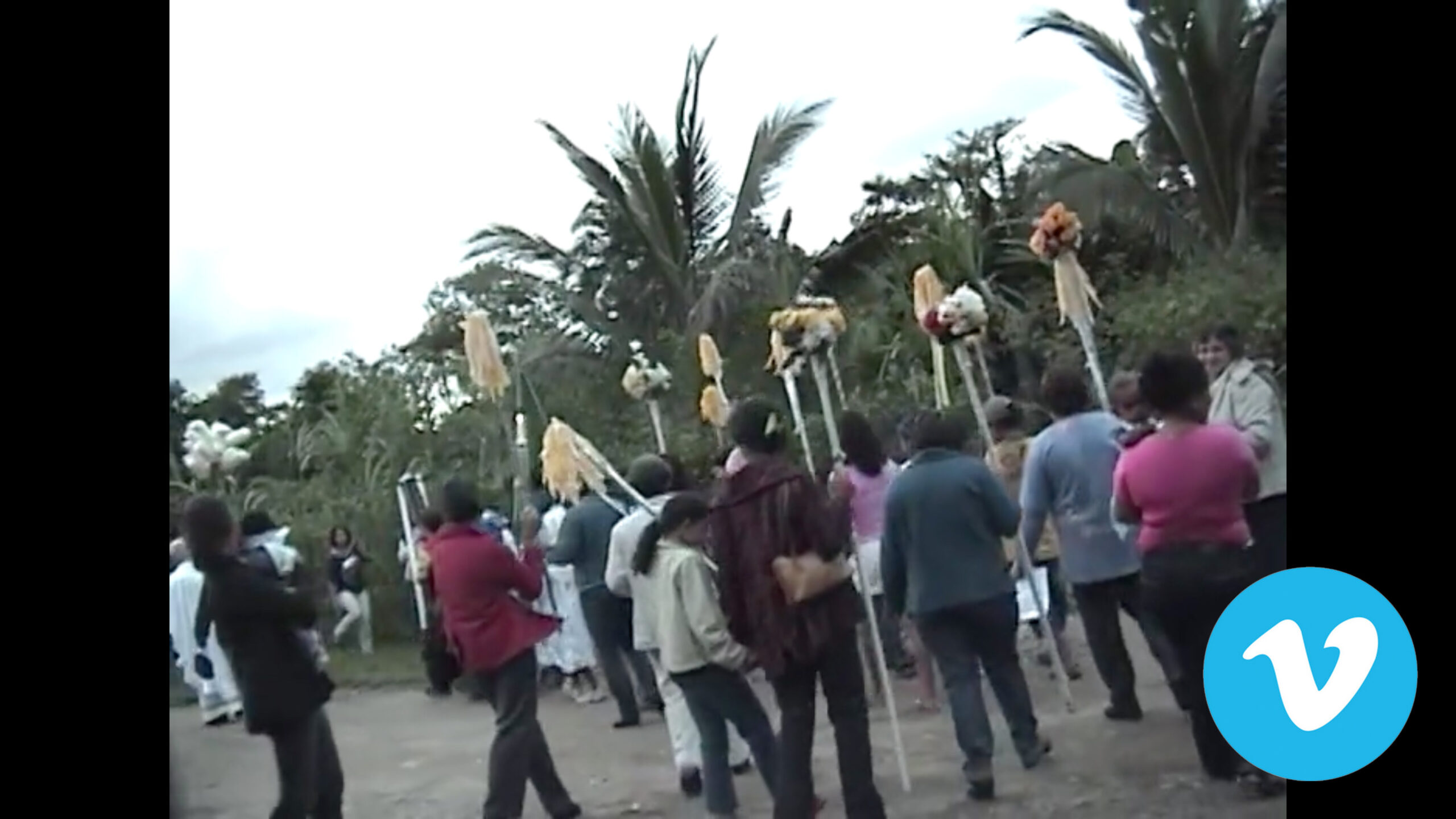
The Amorces cinématographiques autochtones (ACA) project, directed by DCM co-researcher Denis Bellemare, has enabled La Boîte Rouge VIF to reflect on the work of image and sound as revealing in terms of relationship, connection and cultural transmission through and beyond identities. This collection contains an important filmed encounter between three key figures in the emergence of Indigenous cinema: Arthur Lamothe, Thérèse-Rock Picard and Réginald Vollant, who reflect on the impact of Lamothe's work on their own lives and on intercultural relations in Quebec. Also included are two videos of the director's wedding ceremony in Uashat mak Mani-Utenam.
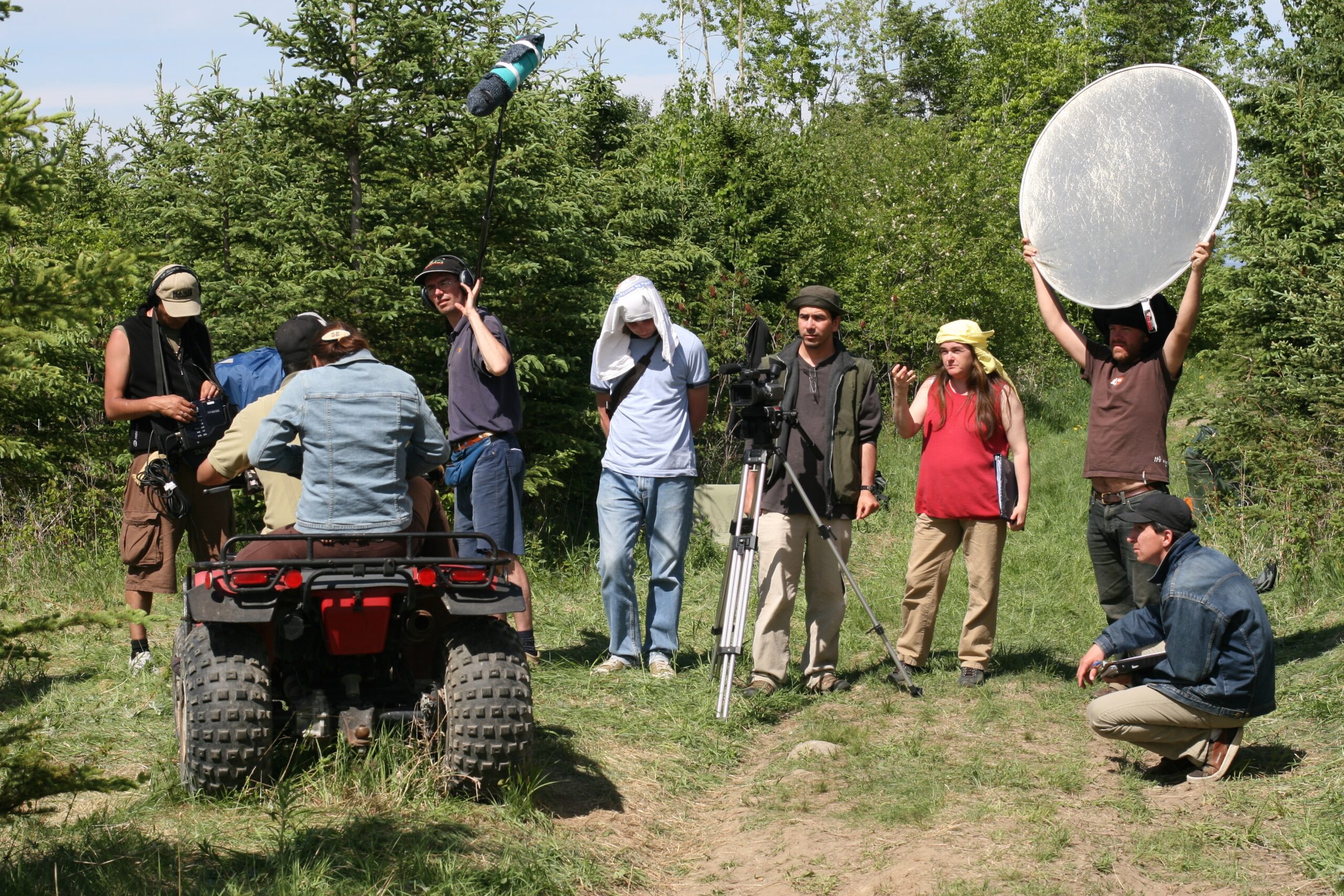
In parallel with the various projects involving Indigenous communities in Quebec and Brazil, La Boîte Rouge VIF also took part in the Mémoires du territoire project, led by researcher Élise Dubuc. In this project, members of the Innu nation were able to define and express their conception of culture at the heart of community development. The eleven videos in this collection provide a glimpse of the various activities carried out during the project. They include outings to Nitassinan with Innu artisans, workshops on the creation of traditional objects, several moments of discussion, the Mémoires du territoire exhibition at the Innu Nikamu festival and, finally, testimonials from participants about their experience of the project.